How to Choose Your First Surfskate: 2026 Guide
Choose your first surfskate with a clear comparison workflow based on 200 catalogue records. Check geometry, trucks, prices, and four factual examples.
Quick buy: featured picks
As an Amazon Associate we earn from qualifying purchases. Other retailer links are also affiliate. No extra cost to you.
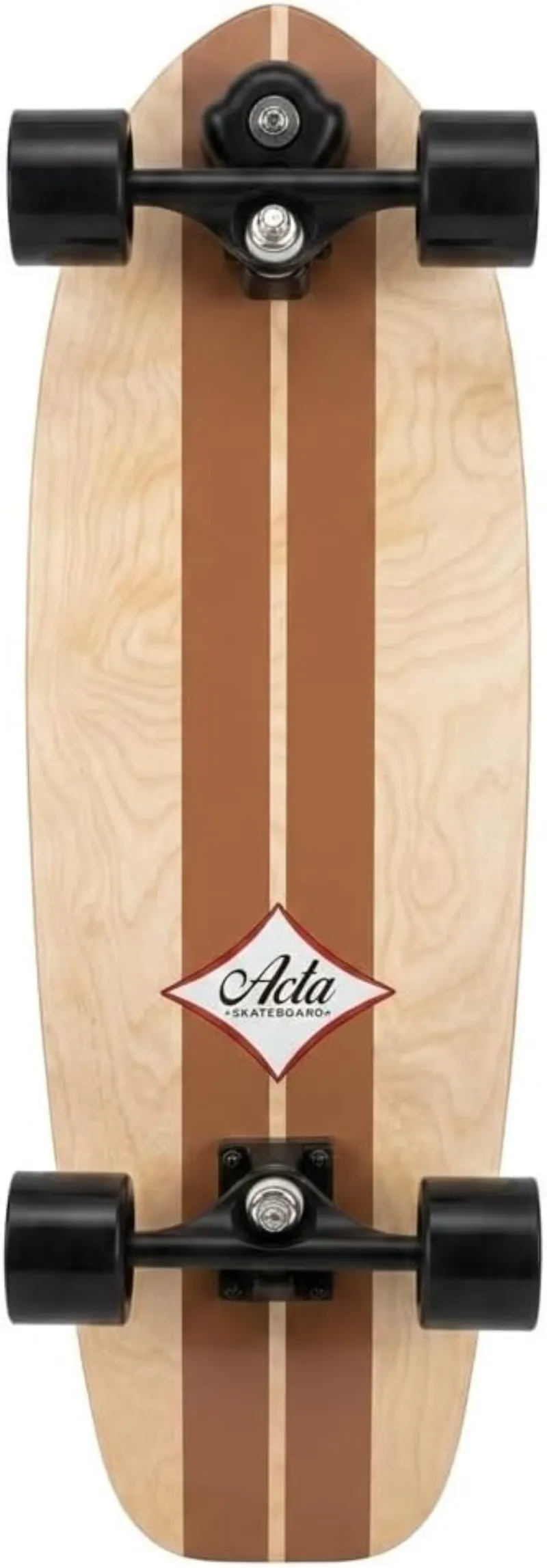
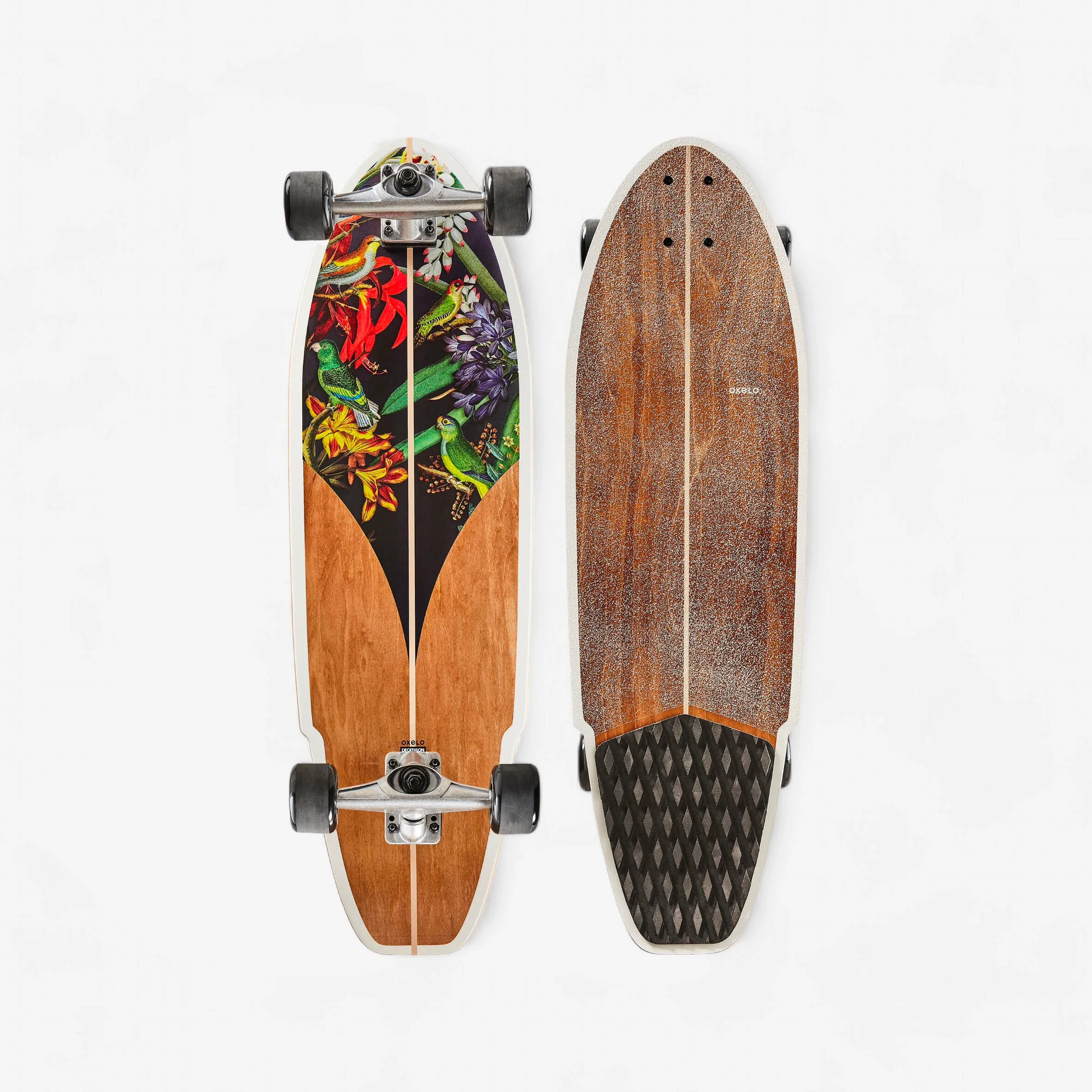
Catalogue reference: $129. Retailer prices may differ.
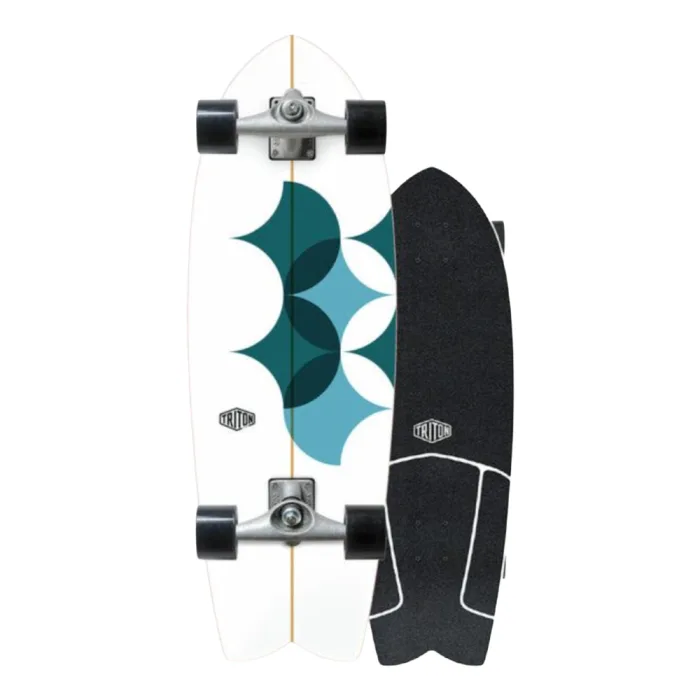
Catalogue reference: $199. Retailer prices may differ.
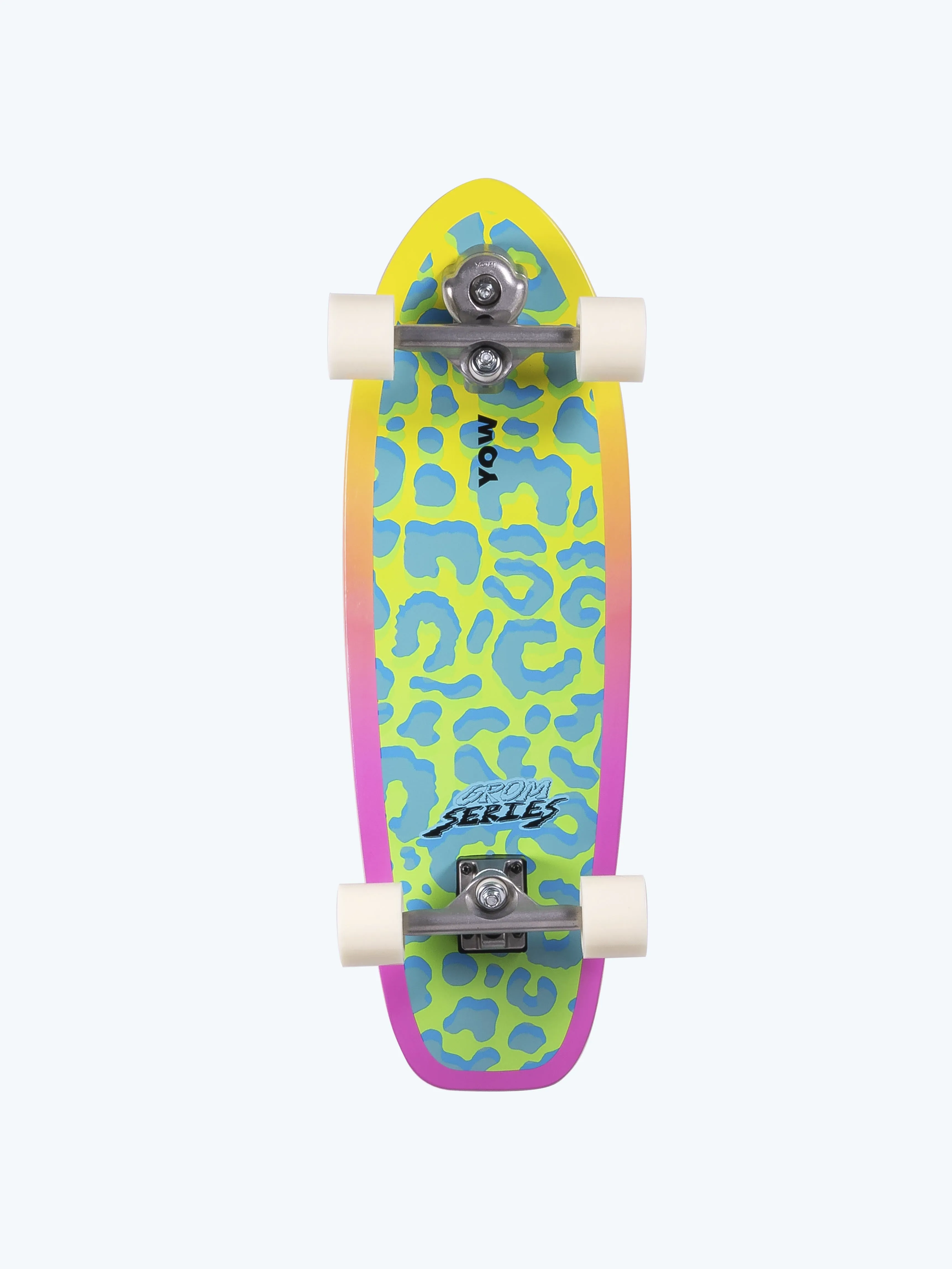
Catalogue reference: $220. Retailer prices may differ.
Choose your first surfskate with this comparison workflow:
- Write down one primary job for the board, such as learning basic turns, surf training, cruising, carrying it on public transport, or using it in a skatepark.
- Shortlist by category and truck mechanism, without treating either label as a performance score.
- Check model-specific guidance for rider limits, setup, intended use, and maintenance.
- Compare actual geometry, especially wheelbase, usable deck, width, and complete-board mass.
- Check wheels, price, parts, warranty, and returns on the exact complete you can buy.
- Test or compare the finalists, then choose the board with the fewest important unknowns for your use.
Do not begin with a universal height chart or a list of supposed winners. Our current catalogue contains 200 records across 24 brands, and the data shows several ways to build a beginner-tagged board. It does not contain controlled rider-fit, stability, comfort, or performance tests. This guide therefore uses the catalogue to ask better buying questions, not to pretend that a specification can choose for you.
What the catalogue evidence can tell you
The geometry and prices below are descriptive catalogue data. Each numeric field uses only records where that value is present; missing specifications are not estimated. Some colourways share their geometry, so 200 records do not mean 200 independent deck shapes.
There are 179 records with deck length, width, and wheelbase together. Those records represent 154 unique combinations of the three measurements. That distinction matters when you see a popular geometry repeated across several graphics or model years.
| Recorded field | Known values | First quartile | Median | Third quartile |
|---|---|---|---|---|
| Deck length | 200 of 200 | 30" | 31.5" | 33" |
| Deck width | 184 of 200 | 9.5" | 9.875" | 10" |
| Wheelbase | 183 of 200 | 16.75" | 17.6" | 20" |
| Complete-board mass | 134 of 200 | 3 kg | 3.64 kg | 4 kg |
Quartiles describe the middle of this catalogue. The full recorded ranges are 24”-74” for length, 7.5”-16” for width, and 13”-50” for wheelbase. Those wide spans include specialist products, and none of these values establishes a correct body fit. Complete-board mass is not a rider limit. The surfskate size guide goes further into stance, usable deck, and the limits of height, rider-weight, and shoe-size rules.
Step 1: define the job before the board
A useful buying brief is one sentence: “I want a first board mainly for ___, I need it to fit ___, and my non-negotiables are ___.” Fill the gaps with your real surface, storage, transport, budget, and access to service or spare parts.
The catalogue category is a way to group candidates, not a verdict. A compact, hybrid, surf-trainer, or surf-cruiser label tells you how the record is organised. Read the manufacturer’s intended use for the exact model before assuming what that label means on the ground. If two jobs conflict, decide which one matters more rather than searching for a board that is claimed to do everything.
Step 2: compare truck mechanisms, not reputations
The truck system is a major construction choice, but there is no evidence-safe “best beginner truck” in the catalogue. The separate truck dataset contains 33 records: 16 bushing, 12 spring-based, three adapter, and two gravity systems.
- A bushing record uses bushings as part of its steering mechanism.
- A spring-based record uses a spring mechanism in the front system.
- An adapter record is a conversion component rather than a complete-board category.
- A gravity record uses the catalogue’s gravity-system classification.
Those are mechanical groups, not rankings for stability, response, or learning speed. Within one group, geometry, adjustment, installation, and the rest of the complete can differ. The truck-types guide maps the mechanisms in detail, while the truck catalogue exposes their recorded type, brand, and specifications. The Carver CX versus C7 comparison is a useful example of comparing two systems without turning one into the answer for every beginner.
For each candidate, ask what the maker says about rider range and setup, what can be adjusted, which parts wear or need inspection, whether replacements are available where you live, and whether a shop can help. A recognisable name does not answer those practical questions by itself.
Step 3: read geometry as a comparison, not a formula
Deck length is the overall length. Width is normally the maximum width, not the width beneath both feet. Wheelbase records the distance used by the source for the axle or mounting reference. Nose, tail, taper, concave, and truck placement can leave two boards with similar headline numbers but different usable platforms.
Start by comparing wheelbase and standing room across real candidates. The catalogue median wheelbase is 17.6”, but that is a centre point, not an ideal. The wheelbase guide explains the measurement and why the number needs to stay beside the truck and deck.
Height can help you notice that a stance looks cramped or excessive; it cannot convert directly into one deck length. Rider weight belongs in the maker’s load and tuning guidance, not in a universal width, wheelbase, spring, or bushing rule. The catalogue’s board-mass field describes what the complete weighs. It is not rider capacity.
Treat concave, tail, and nose in the same way. They describe shape. Without controlled tests and your own stance, the catalogue cannot prove a comfort, grip, control, trick, or cruising outcome from a concave label.
The beginner tag does not define one geometry
Ninety-five of the 200 records carry a beginner level tag. Their median deck length is 31.5”, exactly the same as records without that tag. Among the 91 beginner-tagged boards with wheelbase data, the median is 17.7”:
- 15 records are below 16”.
- 37 records are from 16” through 18”.
- 39 records are above 18”.
That spread is evidence against a single beginner wheelbase band. The tag is useful for discovery, but it is not a measured result for fit, stability, or learning. Use it to form a list, then inspect the exact complete.
Step 4: check the wheels without predicting the ride
Record the complete’s wheel diameter, durometer, width if available, and the manufacturer’s clearance information. Do not infer guaranteed grip, speed, comfort, slide behaviour, or lifespan from diameter and hardness alone. Urethane, shape, surface, setup, wear, and rider input are not captured by two numbers.
The surfskate wheels guide explains those fields and their evidence limits. The wheel catalogue is useful when you need to inspect recorded wheel models, but a matching diameter is not proof that a replacement fits a particular deck and truck.
Step 5: set a complete budget, not a quality ladder
The catalogue has 184 records with a EUR price. The first quartile is €195, the median is €228.20, and the third quartile is €299.23. Six records cost less than €100, and all six carry a beginner tag.
That last fact does not prove that every inexpensive board is suitable, nor that a higher price buys better fit or performance. It only describes the current records. Prices may also move after this refresh. Compare the exact components and maker support, then leave room for protection, delivery, maintenance, and possible returns. The budget surfskates under €200 guide provides a broader factual shortlist in that price band.
A complete and a custom build solve different purchasing problems. A complete reduces separate compatibility checks because one product is sold with a defined deck, trucks, wheels, and hardware. It is not automatically the safest or most economical choice. A custom setup is reasonable when you can document compatibility and name the specific reason for each component. If key measurements or maker guidance are missing, the honest answer is that the risk remains unknown in either route.
Four factual reference points, not a ranking
These are the four existing featured products attached to this guide. All carry beginner and intermediate level tags, but they span two categories, four named truck systems, wheelbases from 15.25” to 20.5”, and listed prices from €89.99 to €269.90. Their job here is to expose questions, not to crown a winner.
| Catalogue record | Category and level tags | Truck | Deck and wheelbase | EUR price | Question to investigate |
|---|---|---|---|---|---|
| ACTA Timber V2 31" | hybridbeginner, intermediate |
ACTA Spring Truck | 31" x 9.75" 16.9" wheelbase |
€129.90 | How does this spring-system complete compare with a bushing candidate of similar dimensions? |
| Decathlon Oxelo Carve 540 | hybridbeginner, intermediate |
Oxelo Surf Truck | 32.6" x 9.76" 20.5" wheelbase |
€89.99 | Does its recorded geometry fit your stance, storage, and transport constraints? |
| Carver Triton 29" Astral | compactbeginner, intermediate |
CX | 29" x 9.75" 15.25" wheelbase |
€182.99 | How does the shorter recorded wheelbase compare with the other 29" reference? |
| YOW Hossegor 29" Grom | compactbeginner, intermediate |
Meraki S4 | 29" x 9.5" 17" wheelbase |
€269.90 | Does current Meraki S4 maker guidance suit you, and what changes when deck length stays at 29"? |
Use the tools for the job they actually do
The surfskate catalogue filters by category, brand, truck system, year, and wheelbase. On desktop and tablet, you can sort the results by deck length or width. Length and width are not direct filters, so the practical route is to narrow by the available filters and then sort those columns on a larger screen.
The comparison tool places up to three surfskates side by side. It compares recorded specifications; it does not simulate fit or riding. Use it to check the same fields across your shortlist without turning any single specification into a verdict.
Before paying, confirm the current model year, price, included components, rider guidance, warranty, returns, and replacement-part route with the seller or manufacturer. If a demo is available, compare only the candidates you can ride safely and note concrete observations: standing room, pushing, turning, stopping, carrying, and any adjustment required. A short, specific note is more useful than a borrowed claim about what should feel stable or fast.
The decision rule
Choose the candidate that satisfies your primary job, matches the exact maker guidance you need, and leaves no unresolved compatibility or support question that matters to you. Geometry and price help you compare. They do not rank fit, quality, safety, or performance.
If two boards still look equal, prefer the one you can verify more completely or test under suitable conditions. Your first surfskate does not need to represent a universal ideal. It needs to be a well-documented choice for your actual use.
Frequently asked questions
What size surfskate should I get?
There is no universal surfskate size. Compare the maker’s guidance for the exact model with its usable deck, width, and wheelbase. In our catalogue, the middle 50% of recorded boards are 30 to 33 inches long, 9.5 to 10 inches wide, and 16.75 to 20 inches in wheelbase, but those ranges describe products rather than proving rider fit.
Are surfskates suitable for beginners?
The catalogue contains 95 records carrying a beginner tag, so there are products explicitly classified for that level. The tag does not prove fit, stability, or ease of use, and those boards span wheelbases below 16 inches, from 16 to 18 inches, and above 18 inches. Check the exact maker guidance, practise stopping and turning in a suitable area, and use appropriate protection.
How should I choose a surfskate truck for my first board?
Compare how each mechanism works, what can be adjusted, the maker’s rider guidance, maintenance, spare parts, and the complete board around it. Our truck catalogue contains 16 bushing, 12 spring-based, three adapter, and two gravity records. That mix describes available systems; it does not identify one universal beginner winner.
How much should I budget for my first surfskate?
Among 184 catalogue records with a EUR price, the first quartile is €195, the median is €228.20, and the third quartile is €299.23. Use those figures to understand the current catalogue, not as a price-to-quality ladder. Allow separately for protection, delivery, replacement parts, and any return costs that matter to you.
Should I buy a complete surfskate or build a custom setup?
Neither route is always safest or cheapest. A complete reduces the number of separate compatibility decisions because it is sold as one configured product, but you still need to check maker guidance and setup. A custom build can make sense when every component is documented as compatible and you know the specific change you want.