You're Not Too Old to Surfskate: A Real Guide for Adults Over 30, 40 & 50
Think you're too old to start surfskating? You're not. No ollies, no ramps, low-impact. Here's the honest case for adult beginners — the risks, the right board, and how to start safely.
Quick buy: featured picks
As an Amazon Associate we earn from qualifying purchases. Other retailer links are also affiliate. No extra cost to you.
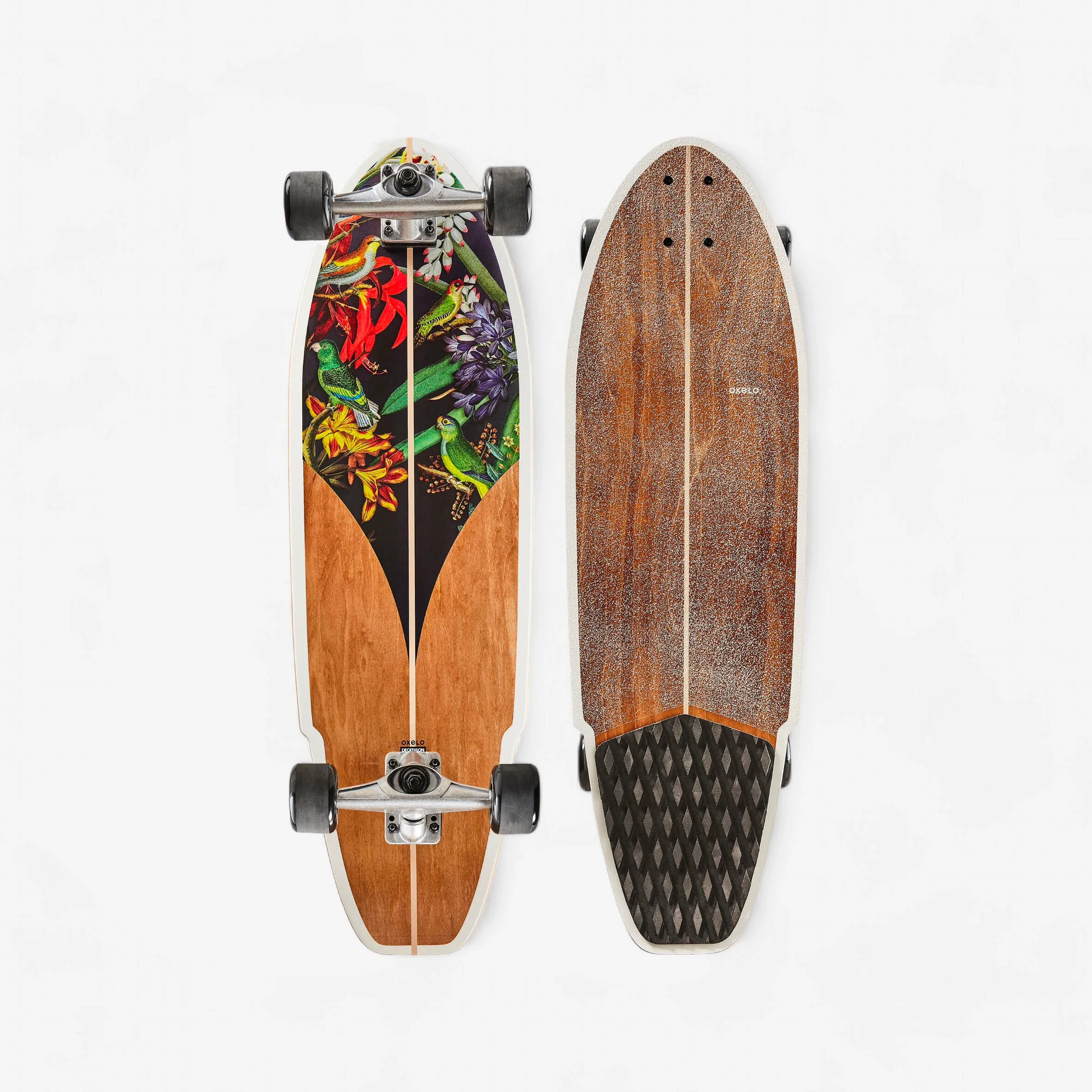
Catalogue reference: $129. Retailer prices may differ.
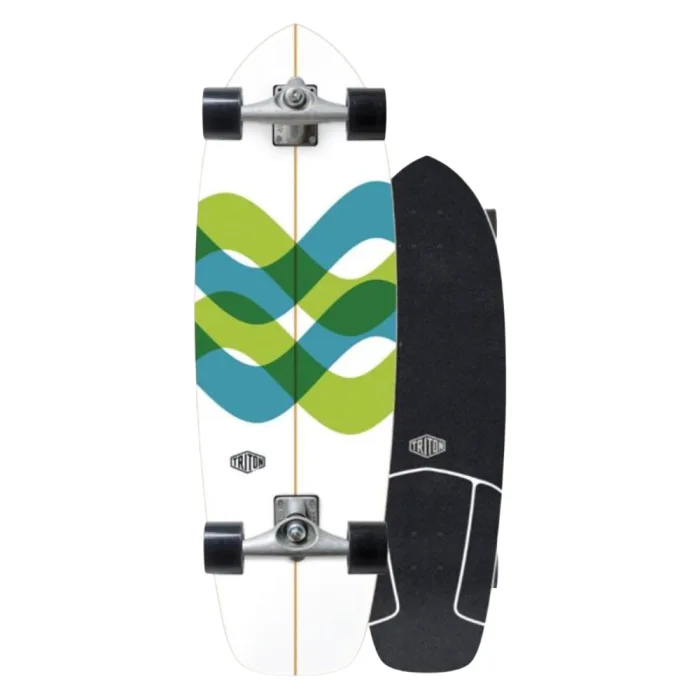
Catalogue reference: $199. Retailer prices may differ.
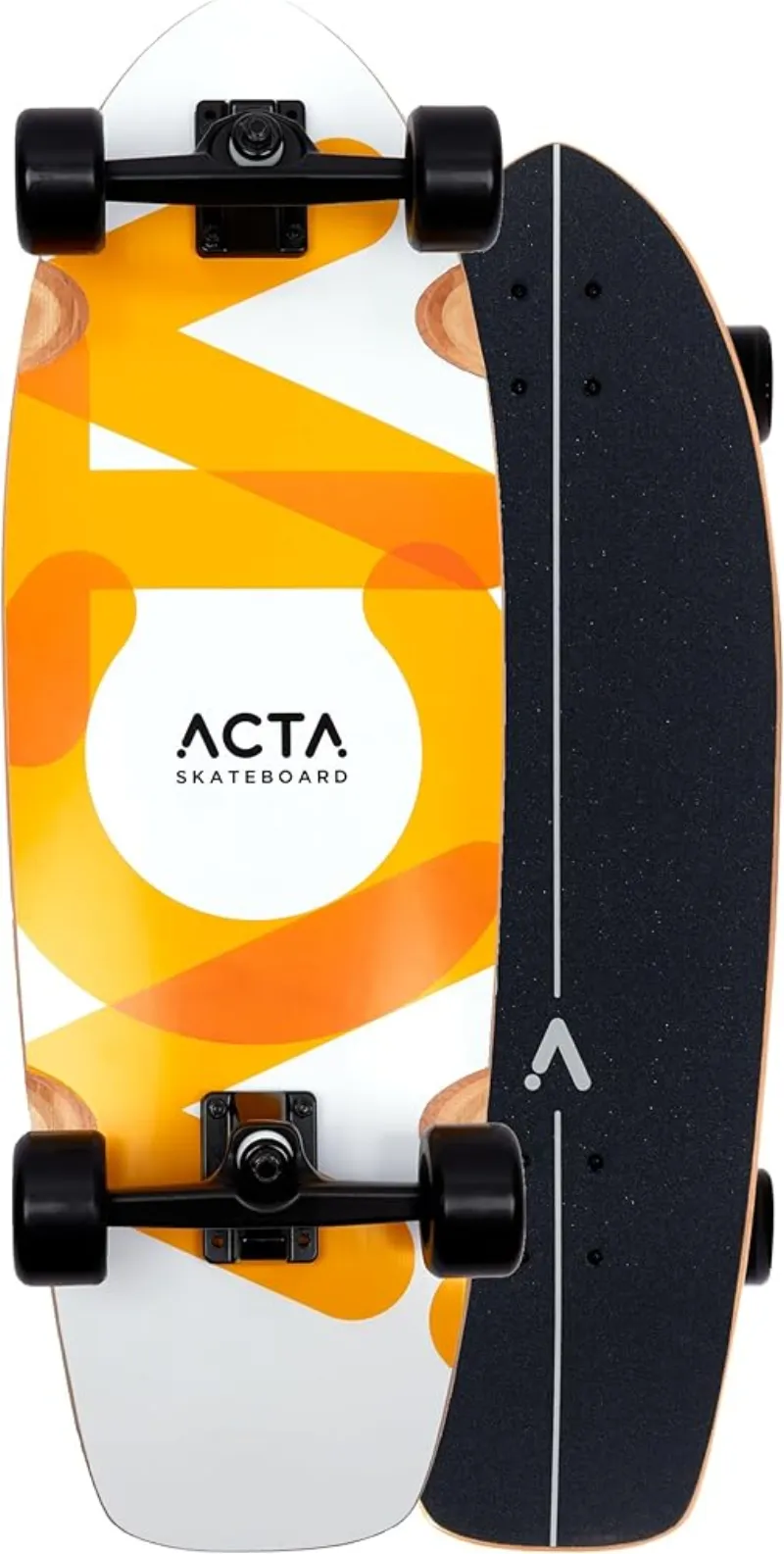
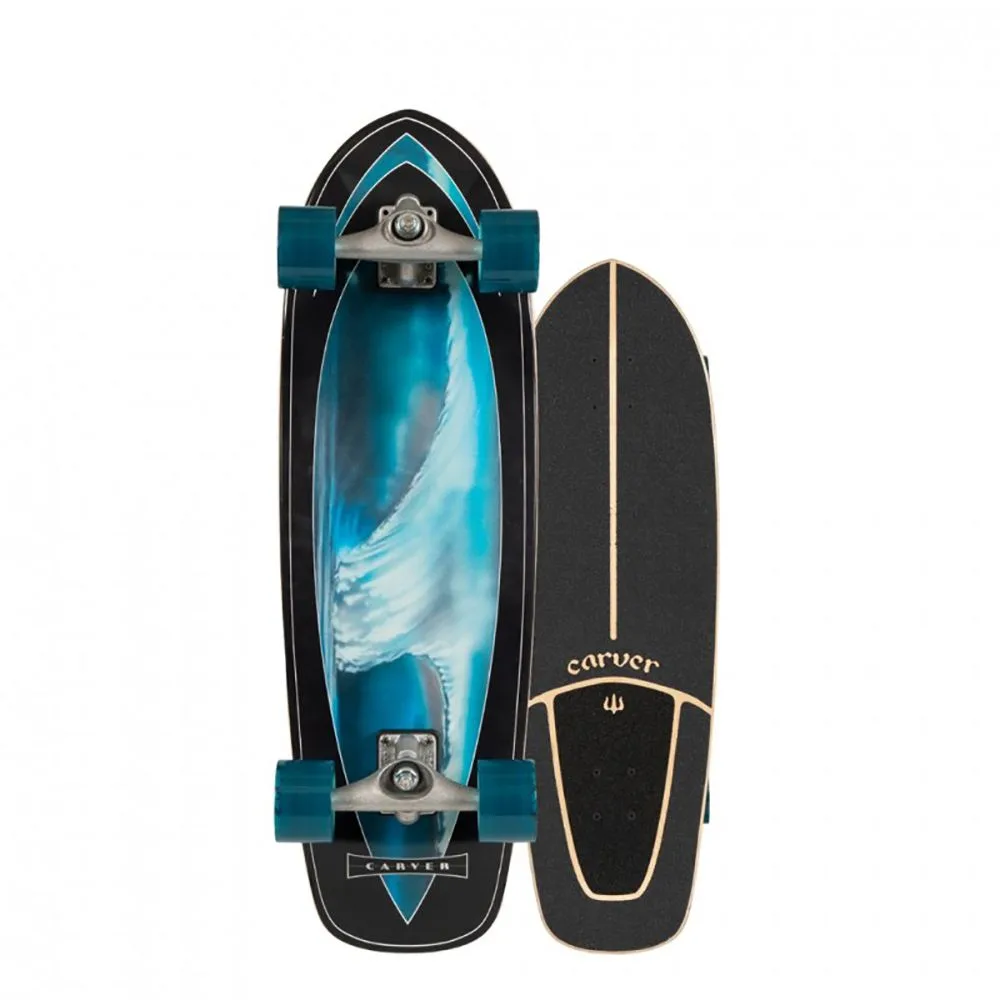
Catalogue reference: $239. Retailer prices may differ.
The short answer
- No, you're not too old. Surfskating has no ollies, no ramps, no jumping — it's carving, not tricks.
- It's lower-impact than skateboarding and the motion transfers from surfing and snowboarding.
- Start stable: bushing truck, wide deck, 16–18" wheelbase, flat ground, full protective gear.
You typed “am I too old to surfskate” into a search bar, which means part of you already wants to. Let’s deal with the fear honestly, because it deserves a real answer, not a motivational poster.
The honest answer: the thing you’re picturing — slamming onto concrete trying to ollie a curb — is skateboarding, and that fear is reasonable. But that’s not what a surfskate is. A surfskate has a pivoting front truck that turns the board through a carving, surfing-like motion. There are no tricks to land, no ramps to drop into, no stairs, and no jumping. You don’t even push off the ground the way skateboarders do — you generate momentum through a side-to-side pumping motion. The risk profile is completely different, and it’s one that adult bodies handle far better than people assume.
The real question behind “am I too old”
Nobody googling this is really asking about age in years. They’re asking three things underneath:
- Will I get hurt? (The honest answer: less than you fear, and you can mitigate most of it.)
- Will I look ridiculous? (You won’t — surfskating is a flow activity, not a trick performance, and most adults ride alone on a bike path.)
- Can my body still learn this? (Yes — and if you’ve surfed, snowboarded, or skied, you already have most of the muscle memory.)
We’ll take all three seriously below. This isn’t a “just believe in yourself” post. It’s a realistic one.
Why surfskate is the right board sport for an adult body
Street skateboarding punishes the adult body in specific ways: repeated hard pushes, ollies that load the ankles explosively, failed tricks that drop you from height, and ramp riding that adds speed and consequence. Surfskating removes every one of those.
- No jumping, no ollies. The single biggest source of skateboarding injury — the failed pop-and-land — simply doesn’t exist. You keep both feet planted and carve.
- No ramps or drops. You ride on flat ground or gentle slopes. Speed stays in your control.
- Low-impact propulsion. Instead of pushing off the pavement over and over (hard on the hips and lower back), you “pump”: a rhythmic weight shift that drives the board forward. It’s closer to the motion of carving a snowboard than to kicking a skateboard.
- It’s a balance workout, not a contact sport. The dominant physical demand is proprioception and lower-body stability — exactly the kind of training that’s good for an adult body, the same reason balance work is prescribed as we age.
If you’ve surfed, the transfer is direct: the surfskate was literally invented so surfers could train the same rail-to-rail motion on land. If you’ve snowboarded or skied, the edge-to-edge carving will feel familiar within minutes. Even with no board-sport background, the absence of a trick ladder means there’s nothing to “fail” — you’re just learning to carve, and carving is forgiving.
Curious what a stable first board looks like?
See beginner surfskates on Amazon →What actually changes after 30, 40, 50 — and how surfskate accommodates it
Let’s be honest about what does change with age, because pretending otherwise is how people get hurt.
Reaction time and balance decline gradually. A 50-year-old’s nervous system corrects a wobble a fraction slower than a teenager’s. Surfskate accommodation: ride a stable setup (longer wheelbase, wider deck, bushing truck) so the board itself is slower to react and gives you more time. The geometry does some of the balancing for you.
Recovery from falls is slower and the consequences higher — a wrist fracture at 45 is a bigger life disruption than at 15. Accommodation: this is exactly why protective gear and learning to fall (below) matter more for you, not less. You’re not being overcautious; you’re being correct.
Fear is louder. Adults have more to lose and a more vivid sense of consequence, so the brain’s alarm is louder. That fear is useful information, not weakness — it’s what keeps you on flat ground in pads instead of bombing a hill. Channel it into sensible progression and it becomes an asset.
But some things improve. Patience, body awareness, and the discipline to actually wear the gear and progress gradually are all stronger at 45 than at 15. Adults who start surfskating tend to plateau higher than impatient teenagers precisely because they respect the process.
The fear of falling — addressed honestly
Falls are the real risk, so let’s not wave them away. You will, at some point, step off or lose balance. Three things turn that from a fracture into a non-event:
- Wear the gear, every session. A helmet, wrist guards, and knee pads are non-negotiable for an adult beginner. Wrist guards in particular: the instinctive hand-out catch is the single most common surfskate injury, and a guard turns a likely sprain or break into nothing. This is not optional caution — it’s the price of admission.
- Learn to bail before you need to. Practice stepping off the board (forward, off the nose or tail) on flat ground at walking speed until it’s automatic. A controlled step-off beats a clumsy, panicked stiffen-and-fall every time. Make the step-off a habit before you ever add speed — it’s the single skill that turns a fall into a non-event. Our guide to falling safely breaks down the three techniques in detail.
- Start where falling is boring. Flat, smooth, empty ground — an empty car park, a quiet bike path early morning, a tennis court. No hills, no traffic, no audience. At walking-to-jogging speed, a fall is undramatic. Speed and slope are things you add later, deliberately, once your balance is real.
What to buy: the stable-setup formula
The wrong board makes surfskating feel scary; the right one makes it feel safe. For an adult beginner you want the board doing some of the stabilizing for you. Three specs matter, and our Surfskate Geometry Report shows where the market sits on each:
- Bushing truck, not spring. A bushing truck returns to centre progressively and predictably; a spring truck snaps back harder and feels twitchy until you’ve committed to it. Across our catalog, bushing is the more beginner-friendly and the more common mechanism (it’s about 48% of all truck systems). Start here. You can graduate to a spring truck once your balance is automatic.
- Wider deck (9.5” or more). A wider platform gives your feet a planted, confident base. The median surfskate deck width is 9.9”, so anything from 9.5” up feels stable underfoot.
- Moderate wheelbase (16–18”). Too short (under 16”) turns sharply and feels nervous; too long rides like a cruiser. The 16–18” range is the stability-plus-carve sweet spot — and ~57% of all surfskates live in the 16–20” band, so you have plenty of choice.
Concrete starting points, cheapest to most refined:
- Decathlon Oxelo Carve 540 (~€90) — the cheapest credible surfskate. A long, stable 20.5” wheelbase and a wide deck make it very hard to fall off — ideal for testing whether you like the sport before spending more. We reviewed it in full in our Oxelo Carve 540 review.
- ACTA Overlap 31” (~€100) — the bushing-truck ACTA, an Amazon-side budget alternative if you’d rather not visit a Decathlon.
- Carver Triton 31” Signal (~€183) — a real Carver CX bushing truck at the lowest Carver price, with a 17” wheelbase and 9.75” deck. The best “I’m serious about this” stable first board.
- Carver CX 32” Super Surfer (~€220) — a wide, planted CX board if you want a premium stable platform from day one.
For sizing to your height and shoe size, use our surfskate size guide; for the full decision framework, choosing your first surfskate walks through every trade-off. If you want the cheapest route to find out whether you like the spring-truck feel later, the best entry-level surfskates guide covers that path too.
How to start: your first three sessions
You don’t need a coach. You need flat ground, gear, and a sensible plan.
Session 1 — standing and rolling. Gear on. On grass or carpet first, just stand on the board and feel how the front truck moves under your weight. Then, on flat smooth ground, push gently with one foot and ride in a straight line. Step off the front whenever you want to stop. Goal: be comfortable just standing and rolling. That’s it.
Session 2 — your first carves. Still flat ground. Shift your weight from heels to toes and let the board turn — gently, in big lazy S-shapes. Don’t force it; let the truck do the work. You’ll feel the surfing motion start to emerge. Practice stepping off mid-carve so bailing stays automatic.
Session 3 — pumping. Now try to keep the board moving without pushing: a rhythmic weight shift, knees driving the carve, that propels you forward. This is the moment surfskating “clicks” and starts to feel like surfing. It’s also the most tiring part — take breaks, it’s a real lower-body workout.
After that, it’s just repetition and gradually adding slight slopes and tighter turns at your own pace. There’s no level you’re supposed to reach by a certain date. The only failure mode is quitting because you compared yourself to a 14-year-old on Instagram.
The bottom line
The “too old” worry is built on a picture of skateboarding that surfskating simply isn’t. No tricks, no ramps, no jumping, low-impact, forgiving to learn, and genuinely good for adult balance and lower-body strength. The real risks — falls — are manageable with gear, a safe-fall habit, a stable board, and flat ground. Plenty of people start in their 40s and 50s and ride for years.
You’re not too old. You’re exactly the kind of rider surfskating was built to keep on a board for life.
Keep reading
- How to fall safely on a surfskate — the three safe-fall techniques, gear, and at-home drills.
- What is a surfskate? — how the truck works, if you’re brand new.
- Choosing your first surfskate — the full buying framework.
- Surfskate size guide — match the board to your body.
- Best entry-level surfskates 2026 — where to start, by goal.